Quick Navigation
I've been watching currency markets for over a decade, and one question always pops up: why does the US dollar buy more than the Japanese yen, or less than the British pound? The short answer: currencies are priced by the market, just like stocks. But the forces behind those prices are messy and fascinating. Let me walk you through the real reasons—some you might know, others that often get overlooked.
Supply and Demand: The Core Driver
At its heart, currency value comes down to supply and demand for that currency. If more people want to buy a country's goods, invest in its assets, or hold its currency as a reserve, demand goes up and the currency appreciates. Conversely, if a country prints money like crazy (more supply), the value drops.
Real-world example: In 2022, the US Federal Reserve raised interest rates aggressively. That made dollar-denominated assets more attractive, so demand for dollars surged—pushing the dollar index to a 20-year high.
But supply isn't just about printing
Central banks influence supply through quantitative easing or tightening. When the European Central Bank bought bonds during the eurozone crisis, they increased euro supply, weakening it. But traders also watch future supply signals: if a central bank hints at tapering, the currency often jumps.
Inflation & Purchasing Power
Think of purchasing power parity (PPP): a basket of goods should cost the same in two countries after adjusting for exchange rates. In reality, it's a long-term anchor. Countries with persistently high inflation (like Turkey or Argentina) see their currencies depreciate because each unit buys less over time.
But here's a non-obvious point: PPP works better for traded goods than services. A haircut in New York costs way more than in Bangkok, but that doesn't directly affect exchange rates because you can't export haircuts. So relying solely on Big Mac Index can mislead you.
| Factor | Impact on Currency | Time Horizon |
|---|---|---|
| High inflation | Depreciation | Medium to long term |
| Low inflation | Appreciation | Medium to long term |
| Interest rate hikes | Appreciation | Short to medium term |
| Political crisis | Depreciation | Immediate to short term |
Interest Rates & Monetary Policy
Central bank rates are a huge magnet. Higher rates attract foreign capital seeking yield, boosting demand for the currency. But it's not just the rate level—it's the expectation. I remember in 2019 when the Fed paused hikes but kept a hawkish tone—the dollar kept climbing because markets priced in future divergence.
A common mistake new traders make: assuming a rate cut always weakens the currency. Actually, if markets expected a bigger cut and got a smaller one, the currency can rally. It's all about surprises.
Political Stability & Economic Performance
Investors hate uncertainty. Countries with stable governments, strong rule of law, and sound fiscal policies attract more foreign direct investment (FDI) and portfolio flows. That supports currency value. Compare the Swiss franc—perceived as a safe haven—with the Nigerian naira during political turmoil.
One thing I've seen firsthand: When Brexit vote results came out in 2016, the British pound dropped 10% in hours. Not because the UK economy collapsed overnight, but because of uncertainty about future trade relationships. Perception matters as much as reality.
Current Account & Trade Balances
A country that exports more than it imports (trade surplus) generally sees stronger currency, because foreign buyers need to buy its currency to pay for goods. Think of China's trade surplus with the US—though the yuan is controlled, the surplus exerts upward pressure.
But here's the twist: the US dollar is the world's reserve currency, so it can run persistent trade deficits without crashing. That's a unique privilege. For most other countries, a ballooning current account deficit is a red flag.
Speculation & Market Sentiment
In short-term moves, speculation dominates. Hedge funds, banks, and retail traders bet on currencies based on technical analysis, news, or herd behavior. I've seen currencies overshoot fair value by 20% just because everyone piled on the same trade.
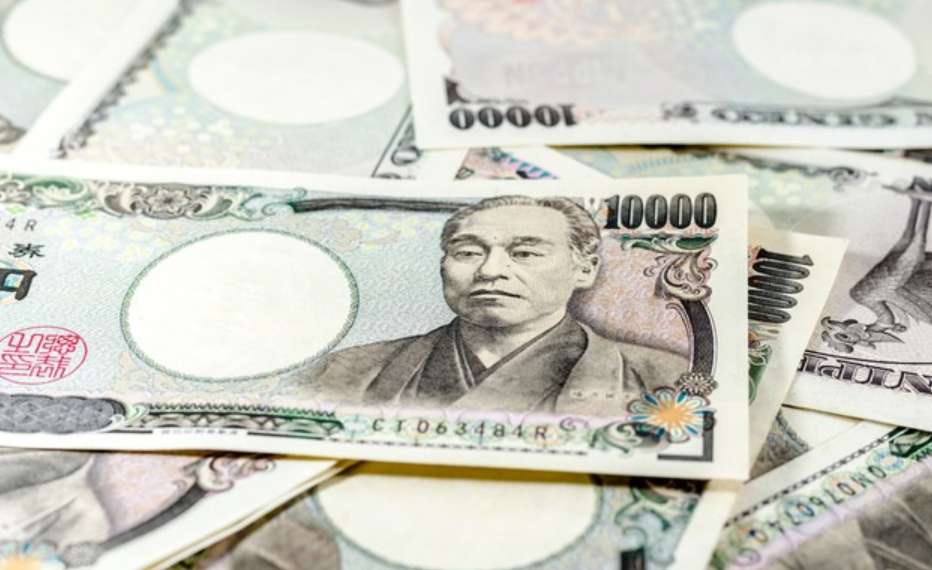
Central banks sometimes intervene to calm excessive volatility. The Bank of Japan has stepped in to weaken the yen when it strengthened too fast, hurting exporters. But in free-floating systems, intervention only works temporarily—the market is bigger.
Frequently Asked Questions
This article is based on personal experience in currency markets over the past 10 years, combined with data from central banks and institutions like the IMF. No theory beats real-world observation—I've seen these forces play out in live trades.


Leave a Comment